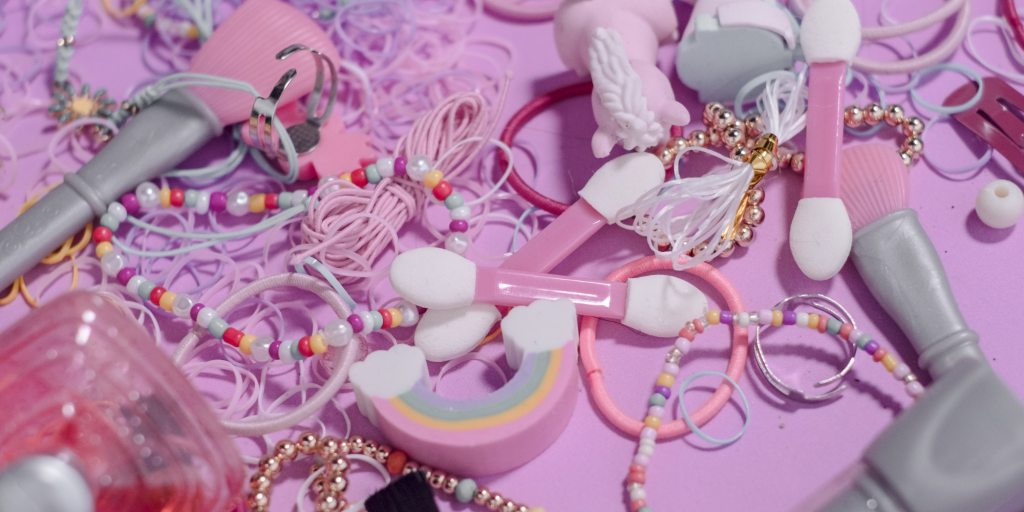
Many young girl are understanding the power of a style that celebrates self-expression through bold, unconventional fashion—challenging traditional notions of beauty.
- What the “Bianca Censori Case” Reminds Us
- Gen Z Trends and Ugly Fashion: “I Do It for the Girls and the Gays, That’s It”
- Prada’s Ugly Chic: The Art of Runway Revolution
The year began with Bianca Censori’s much-discussed red carpet appearance at the Grammys. Standing nearly naked next to Kanye West—who was fully dressed—she once again highlighted how fashion and clothing have long been a battleground for female identity and self-determination. And Gen Z seems to understand this well.
What the “Bianca Censori Case” Reminds Us
Bianca Censori recently walked almost naked on the Grammys red carpet, accompanied by Kanye West, which was fully dressed. He was whispering inaudible words into her ear, fueling endless speculation: “Did he tell her to undress?” “Is she being manipulated?” . A surreal spectacle that reignited concerns—whether sincere, hypocritical, or fueled by gossip—about the alleged mental and physical control the rapper holds over his partner. Yet, none of this significantly impacts Kanye’s already contentious reputation. Instead, the following day, he proudly showcased Google’s trending searches on his social media, boasting that Bianca’s name had become the most-searched topic worldwide.
Regardless of the ever-controversial intentions of this eccentric couple—the incident highlights an undeniable reality: the persistent tendency to judge and comment on a woman’s body, whether covered or exposed, remains deeply ingrained in our culture. Bianca and Kanye played with this issue, emphasizing how beauty and appearance remain powerful media tools.

Gen Z Trends and Ugly Fashion: “I Do It for the Girls and the Gays, That’s It”
Meanwhile, a new trend was taking over TikTok in which Gen Z girls appear in maximalist outfits, oversized clothing, torn garments, and bold makeup. They sang “I do it for the girls and the gays, that’s it” , lipsyncing Yummy by Ayesha Erotica (a transgender hyperpop artist and queer icon of the Y2K aesthetic), reclaiming an aesthetic that decentralizes the male gaze.
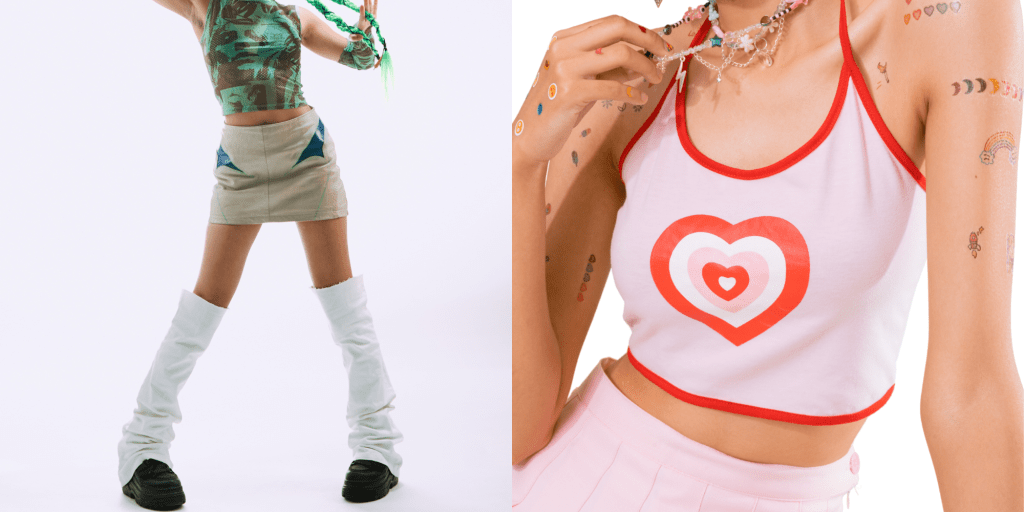
This trend aligns with the ugly-chic aesthetic, which has been around for decades, traditionally embraced in underground scenes like raves and countercultural spaces. However, today, it is gaining mainstream traction among younger generations. Streets are now filled with people wearing Maison Margiela’s Tabi shoes, “yeti” boots, deconstructed layering, unconventional pairings, and the now-iconic bleached eyebrows. But what do these trends have in common, and what positive message do they send? While purists of this style may feel that their subversive aesthetic is being co-opted, its mainstream acceptance also signals a rejection of beauty standards that have historically constrained women. Gen Z girls (or at least a portion of them) appear to be rejecting standards that reduce them to an aestheticized version of themselves, confined to a narrow set of socially imposed rules. Hence, they embrace makeup that is loud rather than invisible, exaggerated accessories, vibrant colors, and an overall “ugly” aesthetic that defies conventional expectations.
In recent years, celebrities have also championed this aesthetic shift, moving away from traditional glamour to become icons of ugly chic. Julia Fox and Doja Cat, for example, have masterfully redefined their styles, often sparking controversy. Notably, Julia Fox has stated in interviews that she dresses “for the girls and for the gays.“
Prada’s Ugly Chic: The Art of Runway Revolution
But where does this “ugly aesthetic” come from? One cannot discuss ugly chic without mentioning Miuccia Prada, widely credited with laying the foundation for this aesthetic movement. The granddaughter of Mario Prada, Miuccia, alongside her husband Patrizio Bertelli, transformed the Prada brand into one of the world’s most prestigious fashion houses. She pioneered ugly chic, particularly with the Spring/Summer 1996 collection titled Banal Eccentricity (as reported by Vogue). But Prada didn’t just express this vision through her designs—she embodied it personally. According to The New York Times Style, in 2013, Miuccia Prada reflected on the concept of ugliness: “Ugly is human. It touches the bad and the dirty side of people.”
This was a bold statement from a woman who entered the fashion world at a time when it was still deeply traditional, seeking rigid and stereotypical ideals of beauty. She openly admitted:
“When I started, fashion was the worst place to be if you were a leftist feminist. It was horrid. I had a prejudice, yes, I always had a problem with it.”
From the very beginning, ugly chic was never just a provocative aesthetic—it was a form of cultural resistance. It was a means of breaking conventions and bringing critical reflection on identity, politics, and the role of women into fashion.

Lascia un commento